Influencer marketing agencies in India charge in three ways: a project fee of about ₹50,000 to ₹5 lakh per campaign, a monthly retainer of about ₹1.5 lakh to ₹6 lakh, or 15 to 25 percent of what you pay creators. In all three, creator fees are usually billed on top.
Almost every page that ranks for this question is an agency pricing its own service. That is useful, because agencies know their prices, but it means nobody asks the brand's question: how much of my budget reaches creators, and what does the rest buy? This post answers that.
What are the three ways agencies charge?
A project fee, a retainer or a percentage of creator spend. upGrowth's 2026 influencer pricing guide, last updated on 16 September 2026, gives these ranges for India, and Grynow's August 2026 guide publishes the same bands.
**Project fee.** One campaign, priced up front. upGrowth describes it as a single campaign with 8 to 30 creators, from finding them to the final report. This is how most brands buy their first agency campaign.
**Monthly retainer.** A fixed monthly fee for an always-on programme. upGrowth puts it at ₹1.5 lakh to ₹6 lakh a month for 15 to 40 creator activations, and Grynow notes that creator fees are generally paid separately.
**Percentage of creator spend.** The agency takes a share of what goes to creators, usually 15 to 25 percent. upGrowth says this model is typical of enterprise programmes spending ₹30 lakh or more a month. A close cousin is the markup, where the agency quotes the creator's fee plus 15 to 20 percent as one number.
What does the agency fee actually cover?
The work around the creators, not the creators. A typical fee covers planning, finding and shortlisting creators, negotiating rates, writing briefs, chasing drafts and approvals, and a report at the end. Creator fees sit outside it.
The items that surprise brands most are the ones billed on top:
- **Creator fees.** The biggest line in almost every campaign, and almost never inside the agency fee.
- **Ad spend for whitelisting.** Running a creator's post as an ad. upGrowth puts it at 2 to 4 times the creator fee. Our guide to usage rights and whitelisting explains what you are buying.
- **Product for seeding.** The units you send out, plus shipping.
- **Talent-manager commission.** Macro and celebrity creators often work through managers who add 15 to 25 percent on top of the creator's rate.
Ask any agency for a quote that separates its fee from creator fees. A single all-in number makes it impossible to compare one proposal with another.
How much of the budget reaches creators?
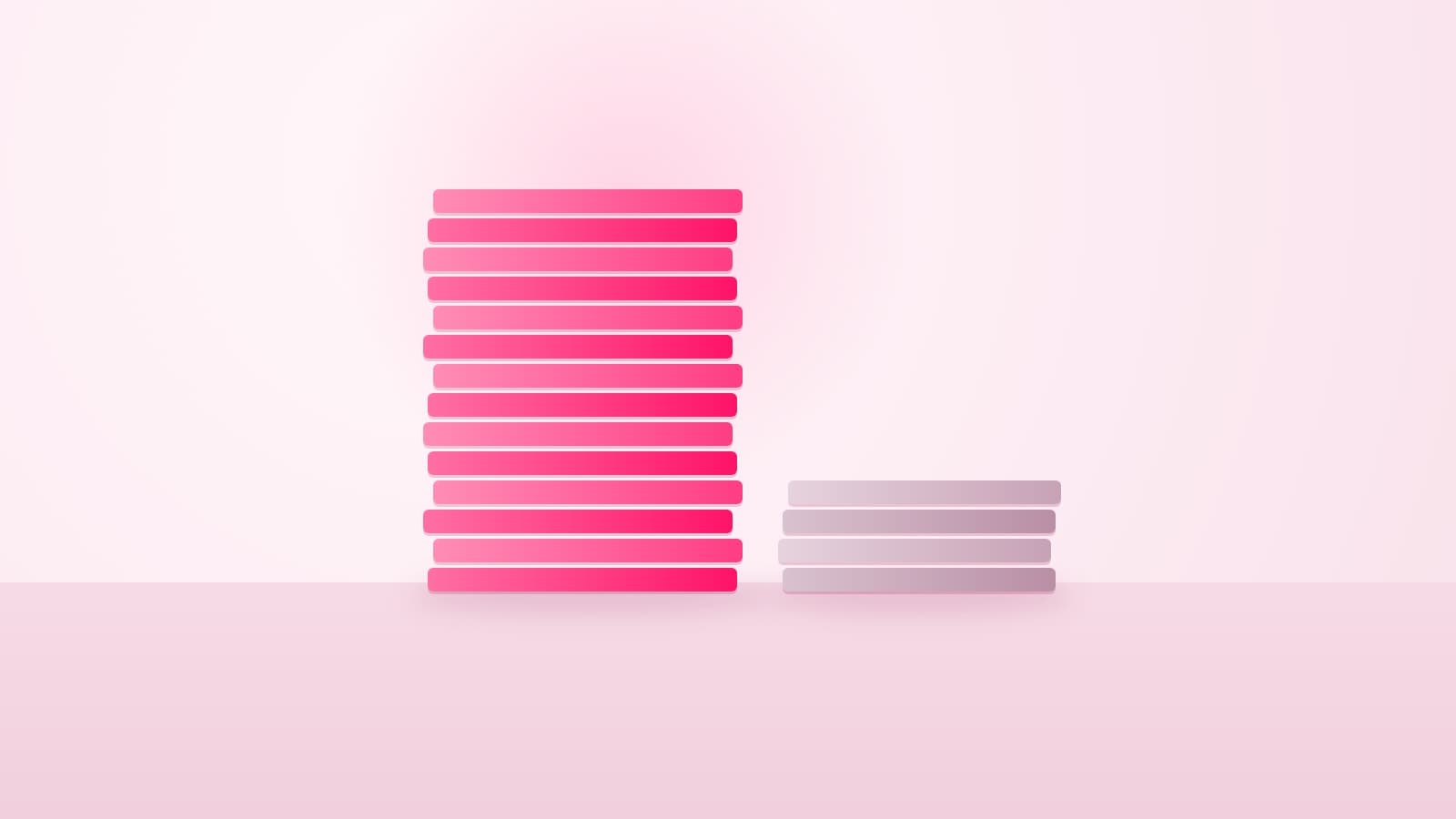
About 70 percent, in the first study of its kind. The Association of National Advertisers surveyed 84 client-side marketers in the United States between October and December 2025. As MediaPost reported in February 2026, 30 percent of influencer marketing spend went to agencies and 70 percent to creators.
The same study found that 61 percent of senior marketers used agency pay models that were either non-transparent or unknown to them, and Marketing Dive's report on it adds that only 51 percent had full visibility into what creators were actually paid. These are US numbers and the ranges Indian agencies publish are lower, but the lesson travels: if you cannot see what each creator was paid, you cannot see what the agency kept.
What does a ₹3 lakh budget buy under each model?
Here is one budget, split three ways. Creator prices are Qolab medians from 435 Indian creators whose accounts synced in the 30 days to 6 October 2026: ₹1,179 for a nano reel and ₹5,095 for a micro reel. These are asking rates, not what brands paid after negotiation, and the single mega creator in the sample is left out.
- **Agency on 20 percent of creator spend:** about ₹2.5 lakh to creators and ₹50,000 to the agency. That buys roughly 49 micro reels.
- **Agency on a project fee at the bottom of the range:** ₹50,000 fee, so the same ₹2.5 lakh to creators. At ₹2 lakh or ₹3 lakh in fees, the creator share falls to ₹1 lakh or nothing.
- **Agency on a retainer at the bottom of the range:** ₹1.5 lakh in fees for the month, leaving ₹1.5 lakh for creators, roughly 29 micro reels.
- **A marketplace charging 10 percent:** about ₹2.73 lakh to creators and ₹27,000 in fees. That buys roughly 53 micro reels, or about 230 nano reels.
The gap is four micro reels against the cheapest agency option, and much more against a retainer. What the agency adds for that difference is the planning, negotiation and chasing listed above. Whether that is worth ₹23,000 or ₹1.2 lakh depends on how much of it your team can do. For a tier-by-tier view of the same prices, see our guide to the types of influencers and what each costs in India.
When is an agency worth the fee?
When you are buying judgement or access, not coordination. Three cases justify the fee clearly:
- **Strategy.** A new category, a brand repositioning or a year-long creator plan. This is consulting, and good agencies are good at it.
- **Large creators.** Macro and celebrity creators often work only through managers. An agency with real relationships can save weeks.
- **Something going wrong.** An ASCI complaint, a creator controversy or a public backlash. You want someone who has handled one before.
For a first campaign with nano and micro creators, the case is weaker. The Influencer Marketing Hub Benchmark Report 2026 found two-thirds of brands now run influencer marketing entirely in-house, and we set out why in why Indian brands are leaving agencies. Small campaigns are where in-house works best.
Questions to ask before you sign
- Is your fee separate from creator fees, and will you show me what each creator was paid?
- Do you mark up creator rates, and by how much?
- Which creators do you have a direct relationship with, and which will you find for me?
- Who owns the content and for how long, and is ad usage included?
- What happens to the fee if a creator does not post?
An agency that answers all five plainly is worth talking to. One that will not separate its fee from creator fees is telling you something.
A brand account on Qolab lets you search Instagram creators by city and follower range, adds a 10 percent fee on each booking, and holds your payment until the content is live.