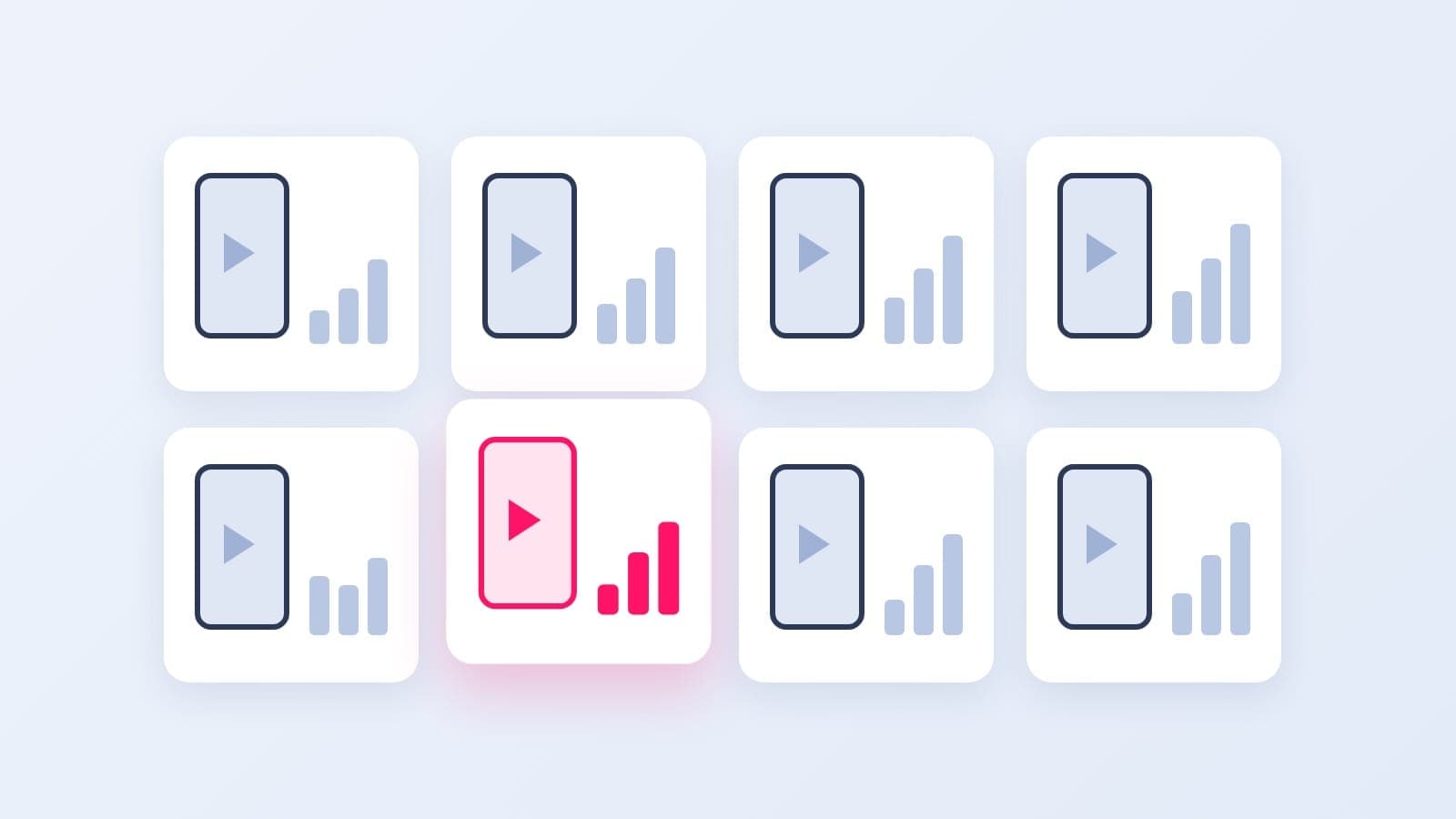

There are four types of influencers, set by follower count: nano (1,000 to 10,000), micro (10,000 to 100,000), macro (100,000 to 1 million) and mega (over 1 million). In India today, the smaller the tier, the higher the engagement and the lower the price: on Qolab, a nano reel's median ask is ₹1,212, a macro reel's ₹19,367.
Most pages that answer this question stop at the definitions. They are the easy part. What a brand needs is what each type engages, what it costs in rupees, and which one fits the money it actually has.
What are the types of influencers by follower count?
Four, in the version most guides use. Sprout Social's March 2026 guide draws the lines like this, and most guides you will find agree:
- **Nano: 1,000 to 10,000 followers.** Often friends of friends, local, one niche. Comments read like a conversation.
- **Micro: 10,000 to 100,000.** Known in a niche or a city. Usually post on a schedule and have worked with brands before.
- **Macro: 100,000 to 1 million.** Recognisable names in a category, often with a manager, a media kit and a production setup.
- **Mega: over 1 million.** Celebrities and the largest creators. Bought through agents, priced per campaign rather than per post.
Two cautions before you use these words in a brief. First, the lines are a convention, not a standard. Some reports add a mid-tier between micro and macro, and some Indian posts, including a few of ours, use 50,000 as the micro ceiling. Always check the follower range behind a tier name before you compare two benchmarks or two quotes.
Second, follower count is not the only way to type an influencer. Brands also sort by niche (beauty, finance, food), by city or language, and by job. A UGC creator, for instance, makes content for the brand's own ads and may never post it on their account; we set out the difference in UGC vs influencer marketing in India.
How many influencers in India fall into each type?
Most of them are nano. In Kofluence's Decoding Influence 2026 report, released 14 May 2026, 61.1 percent of surveyed creators had 1,000 to 10,000 followers. Globally the share is higher still: HypeAuditor's State of Influencer Marketing 2025, built on 76 million Instagram accounts, found 76 percent of Instagram influencers in the nano tier.
Campaigns follow the supply. According to Qoruz data reported by Storyboard18 on 26 August 2026, nano and micro creators made up 75 percent of festive creator participation in India last season, and mega creators and celebrities 5 percent.
The 385 creators behind the Qolab numbers below split the same way: 202 nano, 142 micro, 40 macro and 1 mega.
What does each type of influencer engage and charge in India?
These are medians from 385 Qolab creators with at least 1,000 followers whose Instagram accounts synced in the 30 days to 3 October 2026. Engagement is average likes plus comments on recent posts divided by followers, read straight from Instagram. Prices are each creator's asking rate for one reel.
The "middle half" is the range between the 25th and 75th percentile, where half the creators in the tier sit. We left the mega tier out: one creator is an anecdote, not a benchmark.
Three things stand out. Engagement falls by about two thirds from nano to micro, then more gently. Price rises roughly four times with each tier. And the ranges overlap: a strong micro creator can engage like a nano one, and the top quarter of micro asks cost more than the bottom quarter of macro.
The shape matches outside data. A Kofluence executive told Marketing Mind in September 2026 that micro creators run 3.5 to 8 percent engagement against 1.2 to 2 percent at the mega tier. For the engagement side in more depth, by narrower bands, see our Instagram engagement benchmarks for India.
One honest caveat: these are asking prices on a marketplace, not a survey of what brands paid, and a creator's first rate is suggested from a fair-pay figure when they connect. They describe the going ask, which is what a brand meets when it starts booking.
Which type of influencer should a brand choose?
Start from the job, then the budget. The tier follows from both.
- **Nano, for trust and local reach.** Highest engagement, lowest price, small audiences. Right for a local business, a new D2C product that needs real comments, or a test of which message works. Plan on many creators, which means more briefs and more content to check.
- **Micro, for most campaigns.** Enough reach to matter, engagement still well above platform averages, and creators who know how to work to a brief. If you are unsure, start here.
- **Macro, for reach in one category.** Fewer creators, polished content, a bigger single moment. Engagement per follower is lower, so you are paying for size.
- **Mega, for mass awareness.** Launches and national moments. Bought through agents, often with long contracts and usage terms, and outside most small budgets.
Brands are moving down the tiers, not up. In the Influencer Marketing Hub Benchmark Report 2026, published 4 May 2026, 51.43 percent of respondents planned to expand nano work and 52.83 percent micro work, while macro sat level, 20.59 percent expanding and 20.58 percent cutting back.
How far does ₹50,000 go in each tier?
At the Qolab medians above, a ₹50,000 reel budget buys roughly:
- about 40 nano reels at ₹1,212,
- about 9 micro reels at ₹5,095,
- about 2 macro reels at ₹19,367,
- and, in most cases, no mega reel.
Forty reels is a lot of coordination for one person, so most small brands land on a mix: a handful of micro creators for reach and a group of nano creators in the cities that matter. Our guide to influencer marketing on a small budget works through that mix step by step.
A brand account on Qolab lets you filter creators by follower range and city and see each one's engagement rate, read straight from Instagram, before you invite them, with payment held until the content is live.