
Usage rights are the brand's permission to use your content beyond the post you agreed to make: in paid ads, on their website, in emails, on packaging. They are a separate product from the content itself, and they are priced separately. Most creators charge 15 to 35 percent of their base rate for every 30 days of use.
The reason this matters is that the ask usually arrives buried. It appears as one line near the bottom of a brief, phrased as a formality, and it is often worth more than the shoot.
This post covers what each right is actually worth, what whitelisting is, and the one Indian rule that makes a whitelisted ad your problem as much as the brand's.
What are usage rights, actually?
They are permission, sold by duration and by scope. You made a reel. The deal you agreed to was that the reel goes up on your account and stays there. Everything the brand wants to do with that file after that is a different thing they are buying.
The common asks, roughly in order of what they are worth:
- Organic reshare on the brand's own channels, with credit. Usually included at no extra cost.
- Use on the brand's website, product pages or newsletter. A modest addition.
- Paid advertising from the brand's own account. A real premium.
- Whitelisting, meaning paid advertising from your handle. The biggest number on this list.
- Perpetual or unlimited rights, with no end date. Price this as a buyout or refuse it.
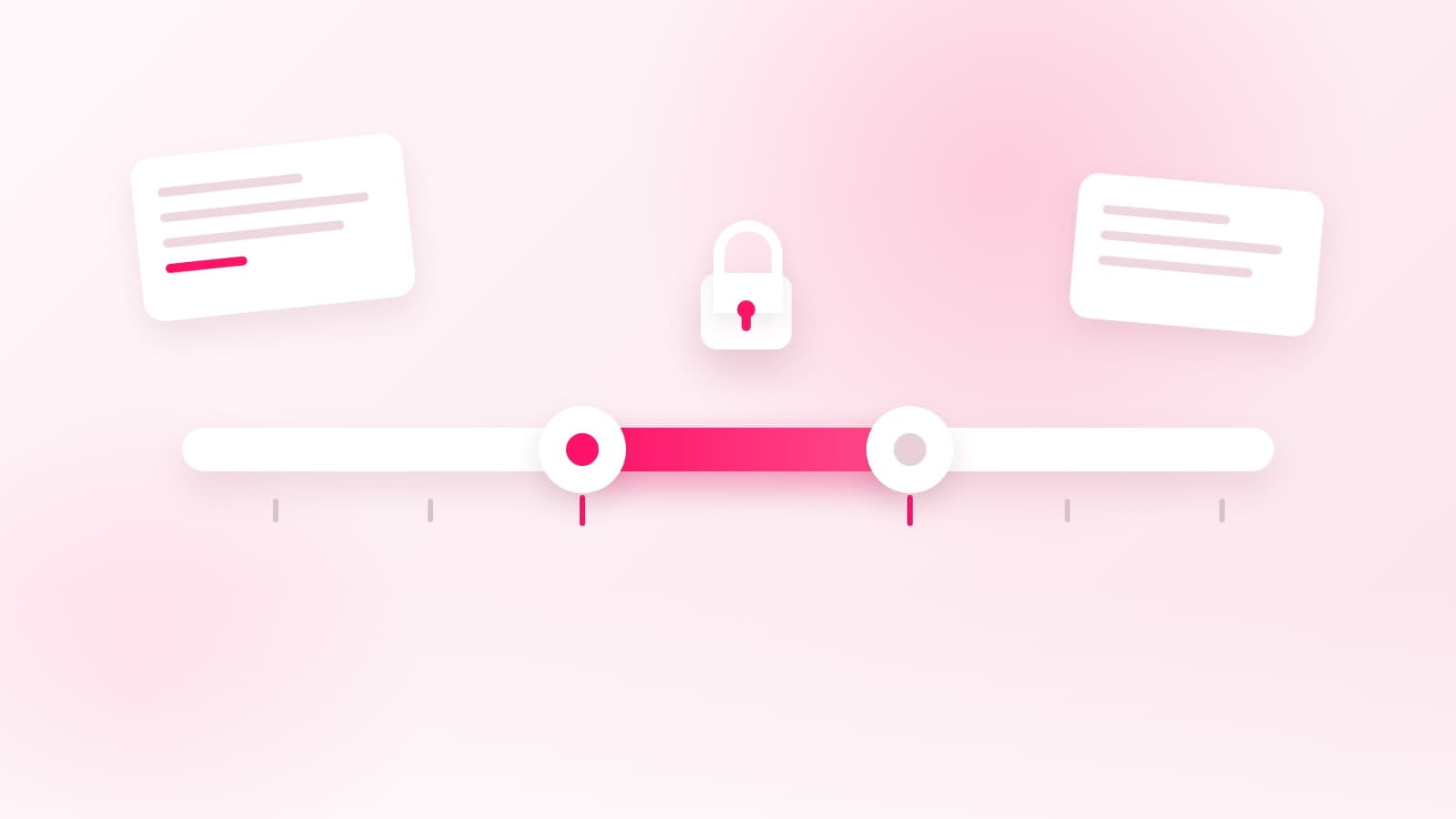
Scope is the part creators forget. A right has three dimensions, not one: what the brand can do with the file, for how long, and where. "Paid ads, 60 days, India only" is a priced deliverable. "Usage rights" on its own is a blank cheque.
What should you charge for usage rights?
Between 15 and 35 percent of your base rate for each 30 days, depending on which right it is. That percentage model is now the standard way this gets quoted.
Modash's March 2026 guidance splits it further: paid media and whitelisting at 25 to 30 percent of base per month, website usage at 15 to 20 percent per month, and organic resharing usually included. The same guidance suggests one to three months is a sensible term to grant, which is as much in your interest as the brand's.
All of these are percentages of your base rate, which means the number is only as good as the rate underneath it. If your reel price is soft, your usage rights price is soft too. Our reel pricing guide for India covers how to set that base, and the same logic applies to stories and static posts.
One number is worth sitting with. In Aspire's February 2026 survey of nearly 900 marketers and creators, 67 percent of brands said they include paid usage rights in the creator's initial contract or rate. Two thirds of the time, the rights are already inside the number you were quoted. If you did not price them in, you gave them away.
What is whitelisting, and why is it priced separately?
Whitelisting is a brand running paid ads from your handle instead of its own. Your name, your face, your follower count sitting under a sponsored post shown to people who have never heard of you.
Meta calls these partnership ads and manages them through its Partnership Ads Hub. According to Meta's Business Help Center, advertisers need permission from the partner whose handle the ad will run from, and partners can revoke those permissions at any time. Permissions can be granted at the account level, covering the relationship, or at the level of a single piece of content.
Take the content-level route unless you have a long relationship with the brand. Account-level access is the convenient option for the brand and the loose one for you.
Who is responsible if a whitelisted ad is not disclosed?
Both of you, and this is the part most guides written outside India skip.
The ASCI guidelines state plainly that the responsibility of disclosure lies with both the advertiser and the influencer, and that advertisers must ensure influencer ads follow the guidelines. ASCI also requires the disclosure to be upfront and prominent: not in your bio, not at the end of the post, not buried among hashtags. Accepted labels include the Paid Partnership tag on Instagram.
Now apply that to whitelisting. The ad is running from your handle. Your audience, and anyone who complains about it, sees your name on it. If the paid partnership label is missing from the ad the brand built out of your content, you are inside the problem, not next to it.
So make it a condition, not a hope:
- Confirm the paid partnership label is on the original post and carries through to the ad.
- Ask to see the ad creative before it runs, especially if the brand has the right to edit your content.
- Agree that any claim about the product in the edited version was in the original brief you approved.
- Put an end date on the permission, and diarise it.
Editing rights deserve their own mention. A brand that can cut your content can cut it into something you would not have said. If you grant edit rights, grant them with approval attached.
What should the brief say before you send the file?
Every one of these terms belongs in writing before the shoot, which is exactly why our 11-point brief checklist puts usage rights and the exclusivity window in the brief itself rather than in a follow-up email. The moment the brand has the file, your leverage is gone.
If the brief is vague, the fix is one message, not a negotiation:
“Happy to lock this in. My rate covers the reel posted on my account and organic resharing on your channels with credit. If you want to run it as a paid ad, or run it from my handle, that is a separate line. Tell me the placement, the duration and the territory and I will send one number for the package rather than revising later.”
That does three things. It names what your base rate already includes, so nothing is assumed. It separates the rights from the content, which is where the money is. And it asks for placement, duration and territory, which is the answer a brand needs to have thought about before it can be trusted with the file.
If they refuse to name a duration, the answer is not a bigger number. It is that the brief is not finished yet.
Where Qolab fits
Every collaboration on Qolab generates a written agreement both sides sign, and that agreement sets the default in the creator's favour. The brand may reshare the published content on its own social channels with credit. Anything beyond that, paid ads, website use, packaging, requires the creator's separate written consent on the platform.
That is the whole point of writing the default down. Silence stops meaning yes.
In September 2026 there were 243 creators with Instagram connected on Qolab, with rates calculated from engagement read straight from Instagram. Payments are held safely until the work is delivered and verified.
Qolab is where Indian creators get found by brands. Connect your Instagram, get a profile brands can search by niche and city, see a fair rate for every deliverable, and keep payments held safely until you deliver. Sign up free.