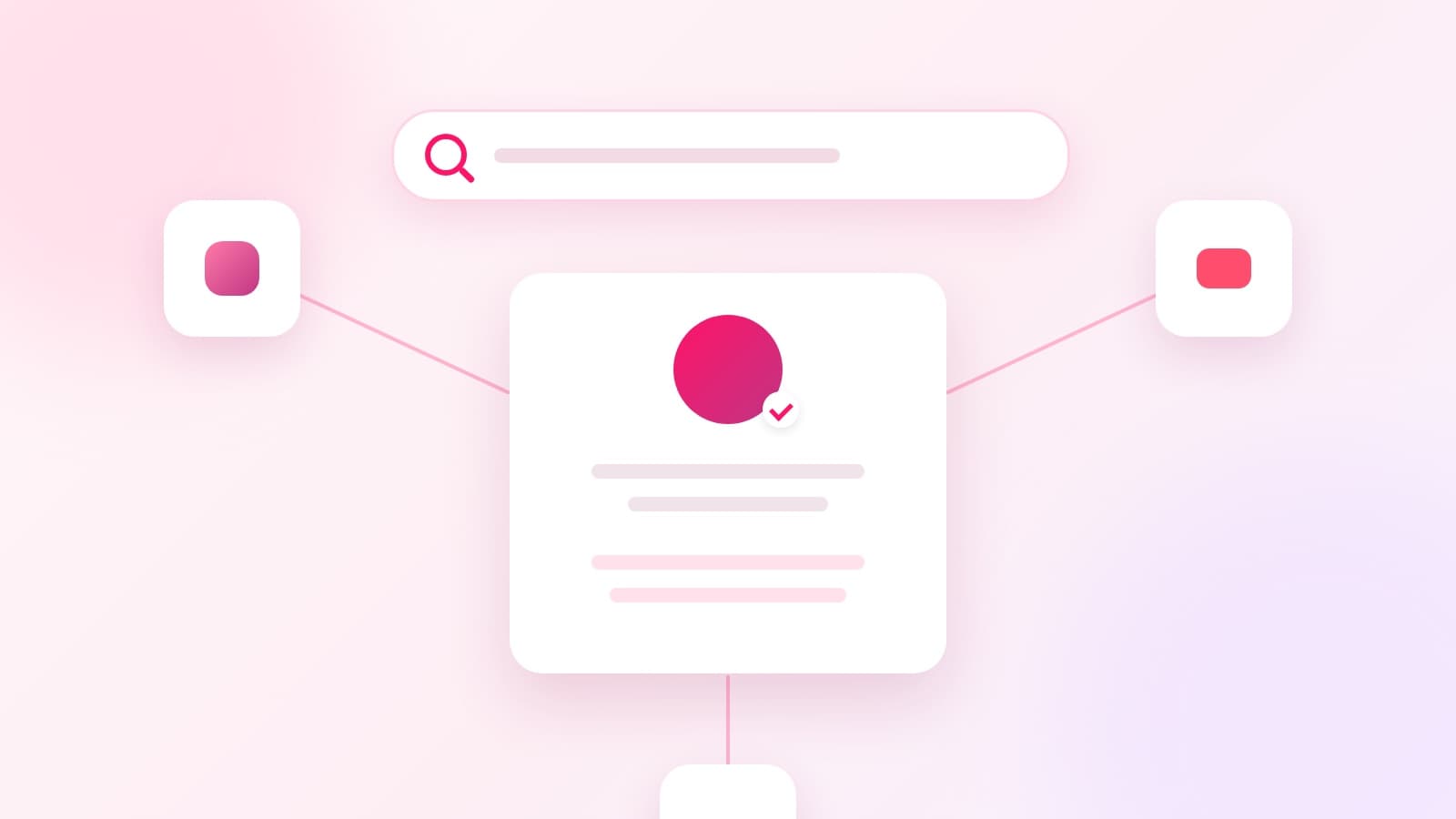
A Google Search profile is a page on Google that collects a creator's accounts, posts and videos in one place. Indian creators can claim one at profile.google.com/claim if they are 18 or older and have 10,000 followers or subscribers on YouTube, Instagram, X or TikTok. It is free.
Google opened the feature to India and Canada on 6 October 2026. BuzzInContent's report of the launch says it had launched in the United States in June, and that Robby Stein, Vice President of Product at Google Search, announced the expansion. This post walks through the claim, what the profile does and does not do, and how many creators on Qolab already qualify.
Who qualifies for a Google Search profile?
Three rules, all from Google's own help page on creating a Search profile: you live in a country where the feature is available (India, Canada or the United States), you have at least 10,000 followers or subscribers on one supported platform, and you are at least 18. Your content must also meet Google's content policies.
The follower rule is per platform, not combined. 10,000 on Instagram with 800 on YouTube qualifies. 6,000 on Instagram plus 6,000 on YouTube does not. The bar was higher before: ContentGrip reported on 17 September 2026 that Google had just lowered it to 10,000 in the United States, which is the threshold India launched with.
Under 18 is not a hard stop. Google's page says a profile for someone under 18 can be claimed and managed, as long as it is created from a Google account owned by an adult.
How many Indian creators clear the 10,000 bar?
On Qolab, a large share. We pulled the numbers on 2 November 2026 for creators who have connected Instagram and synced in the last 30 days.
The last line is asking prices on one marketplace, not a survey of the market, but it shows the same thing most brand deal follower thresholds do: 10,000 is where Indian creators start pricing like a business. Google drew its line in the same place.
How do you claim a Google Search profile, step by step?
Google may already have made one for you. If you have a knowledge panel, a profile can be generated automatically and you only need to claim it. So check first, then create.
- Search your name or your @handle on Google. If a knowledge panel appears, look for View Search Profile under it.
- Go to profile.google.com/claim and sign in with the Google account you want to own the profile. If you have a YouTube channel, use the account that owns or manages that channel.
- Sign in to the platform account that has 10,000 or more followers. For most Indian creators that is Instagram. If Google already has an unclaimed profile tied to that account, it will tell you; review the accounts linked to it before you claim.
- Add your other accounts: YouTube, X, a second Instagram, whatever is genuinely yours and relevant.
- Check the handle. Google sets it to the handle of your most-followed linked account, and falls back to the next one if that is taken.
- Click Create Profile, then edit the bio, photo and links.
New content from linked accounts usually appears within 24 hours, per Google. Edits to your name, bio or social links are different: they stay in Pending until Google approves them, so do not expect a bio change to show the same day.
Which account should you link first?
The one that clears 10,000 and carries the handle you want people to remember, because that handle becomes your profile's handle. Say your Instagram has 40,000 followers and a newer YouTube channel under a different name has 3,000: link Instagram first, and the profile takes your Instagram handle, which is the one brands and fans already type.
Link only accounts that are clearly the same person or brand. Google says it may deny accounts that look unrelated to the profile, even if you can sign in to them. A cooking creator linking a cricket fan page invites a rejection.
What does a Search profile actually do for a creator?
It helps people who are already looking for you. Google says the profile is built to appear when someone searches specifically for you, and that it does not directly affect how your content ranks. The one growth lever is Discover: if someone follows you from your profile, they may see more of your content there.
That makes it most useful at the moment a brand checks you out. A brand shortlisting you can search your name or handle on Google before sending an offer, one of the checks we describe in how brands choose creators. A claimed profile that shows your Instagram, your YouTube and a clean bio answers "is this the real account?" before anyone has to ask. Treat the bio like the top of your media kit: niche, city, languages and the kind of brand work you do, in two lines.
What will a Search profile not do?
It will not bring you new followers on its own, and it will not appear for every search. Google says that if you have a common name, your profile may not show for a search of that name because many people compete for it; searching your @handle is the reliable way to see it. It does not replace your Instagram, your own website or any place where you actually get paid. And it is not a verification badge on Instagram or anywhere else.
Should creators under 10,000 followers care yet?
Only as a milestone. The 68 creators on Qolab between 7,000 and 9,999 followers are close enough that it is worth claiming the day they cross. Until then, the work that gets you there is the same work that gets you deals: a clear niche, steady posting and a profile that tells brands what you charge. Our guide to getting brand deals as a small creator covers that path.
A creator profile on Qolab gives you a public media kit with your rate, audience city and engagement read straight from Instagram, a link you can add to your Search profile once you clear 10,000, and payment held until your reel is delivered.