There is no minimum. Indian brands book creators with a few thousand followers and creators with a few million, and the smallest band is now the largest group of creators in the country. What decides whether you get paid is almost never the number on your profile. It is whether a brand can verify that number and work out what you cost.
That is an unsatisfying answer, because a threshold would at least be something to aim at. So instead of a threshold, here are the actual numbers: how Indian creators are distributed across the follower bands, what each band charges, and what genuinely changes as you grow.
How many followers do you need for brand deals in India?
One thousand is the practical floor, and it is a floor set by tooling rather than by brands. Almost every discovery platform and creator marketplace defines its smallest tier as 1,000 to 10,000 followers, so that is the point at which you start appearing in the searches brands run. Below it you are not blocked from deals, you are just invisible to the systems brands use to find people.
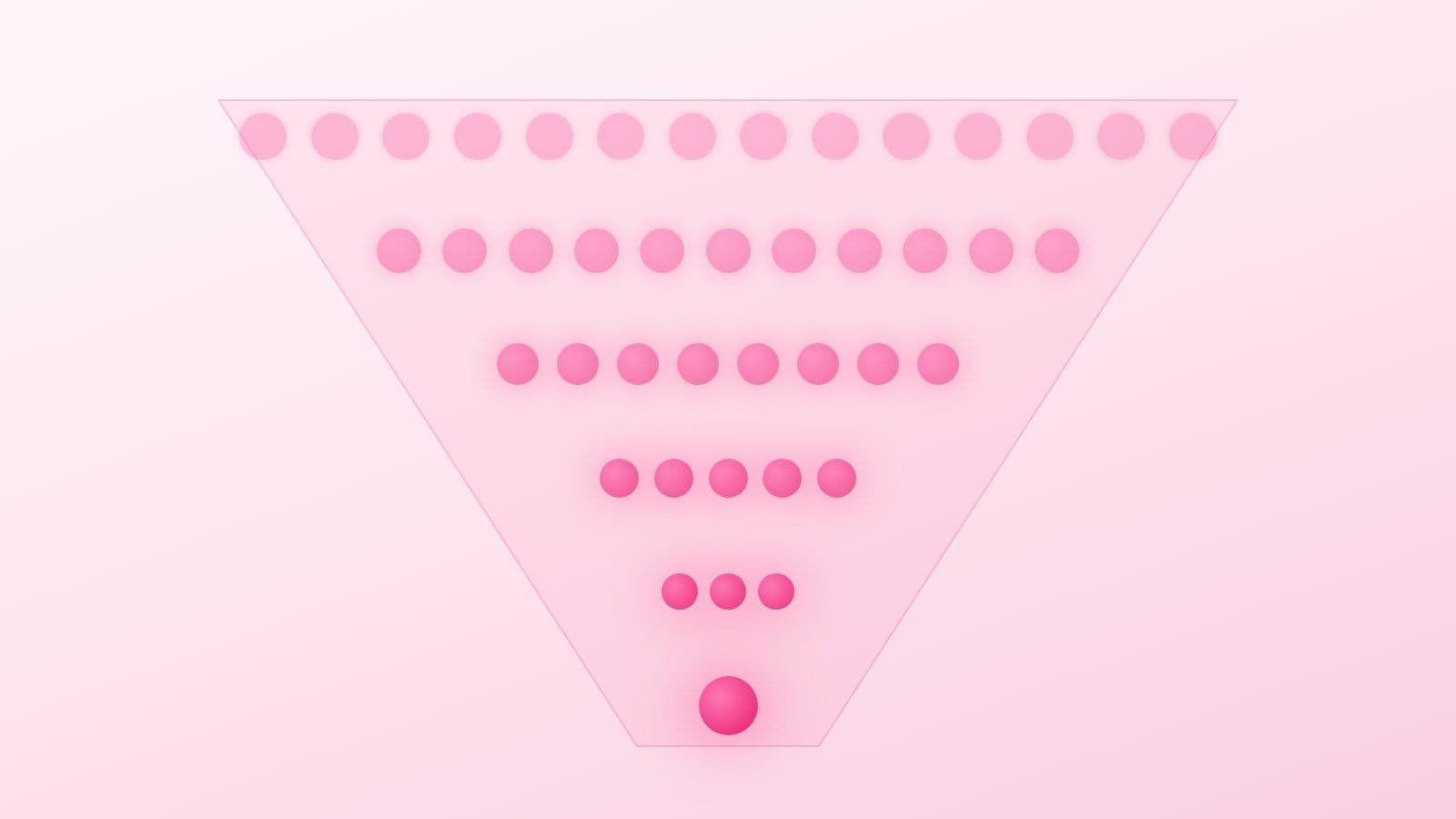
Above that floor the distribution is lopsided in a way most creators find surprising. Kofluence's Decoding Influence 2026 report, reported by Storyboard18 in May 2026, found that nano creators with 1,000 to 10,000 followers make up 61.1 percent of India's creator market, with micro creators at 10,000 to 100,000 adding another 32.5 percent. Roughly nine in ten Indian creators sit below the hundred thousand mark.
So if you are waiting to hit some number before you are worth booking, the market has already moved past you. The creators being booked look like you.
What do creators at each follower band actually charge?
This is where honest numbers are hardest to find, because most published rate cards are aspirational. What follows is what creators on Qolab actually ask for a single reel, taken in August 2026 from the 139 connected creators who have set a rate. Sample sizes are small in the upper bands, so read the top two rows as directional rather than definitive.
- 1,000 to 10,000 followers: median ask ₹1,769 per reel, with most asks falling between ₹1,150 and ₹2,665. This is the largest band on the platform at 53 creators.
- 10,000 to 50,000 followers: median ask ₹3,973, with a much wider spread from ₹1,150 to ₹14,719 across 37 creators.
- 50,000 to 250,000 followers: median ask ₹10,916 across 19 creators.
- 250,000 followers and above: median ask ₹57,710, but from only 6 creators, so treat it as a hint rather than a benchmark.
Two things stand out. The first is how low the entry-level numbers are compared to what creators expect when they start asking around. The second is the spread inside the 10,000 to 50,000 band, where the highest asks are more than ten times the lowest. That spread is niche and engagement doing the work, not follower count. If you are setting your own number for the first time, our honest guide to reel pricing in India walks through the maths behind it.
Why do brands book smaller creators at all?
Cost per reach and engagement, in that order. EY's State of Influencer Marketing in India report with Big Bang Social found 47 percent of Indian brands prefer micro and nano creators specifically because the reach costs less. The engagement side reinforces it: speaking to Storyboard18 in December 2025, Kofluence co-founder Ritesh Ujjwal put micro and nano engagement rates at 6 to 10 percent, well above larger celebrity-led accounts.
There is a structural reason too. A brand that spends its whole budget on one large creator gets one result and no way to learn from it. The same budget spread across fifteen smaller creators produces fifteen data points about which audience, city, and creative angle actually works. Small creators are not a discount option in that model, they are the only way to run the test.
If followers are not the gate, what is?
Being checkable. In the same Kofluence report, 50.4 percent of Indian creators named limited brand collaboration opportunities as their single biggest obstacle, which is a striking number in a market where brands say they want exactly these creators. Both sides want the same deal and keep missing each other.
From inside a marketplace the mismatch is easy to see. A brand shortlisting creators spends a minute or two per profile. In that time it needs to confirm the audience is real, that it sits in the right city and age band, and roughly what a post will cost. A profile that answers all three gets shortlisted at 4,000 followers. A profile that answers none gets skipped at 90,000. Screenshots do not count, because anyone can edit a screenshot, which is why brands increasingly run their own fake-follower check before paying anyone.
What actually changes when you cross 10,000 followers?
Less than the milestone suggests. On Qolab the median reel ask roughly doubles between the nano and micro bands, from ₹1,769 to ₹3,973, which is real but not transformative. The bigger change is qualitative: more brand searches include a 10,000 minimum, and the link sticker and similar native features open up, which makes campaign results easier to prove.
What does not change is the reason deals fall through. Creators at 50,000 followers get ghosted for the same reasons creators at 5,000 do: an unclear rate, a slow reply, or a brand that never intended to pay in the first place. We wrote about why creators get ghosted by brands after seeing the same pattern repeat across the market.
So what should you do at your current size?
Stop treating growth as the prerequisite and treat legibility as the prerequisite. Concretely, that means three things.
- Make your numbers verifiable rather than claimed, so a brand does not have to trust a screenshot.
- Make your niche and city obvious within a few seconds of landing on your profile, because that is how brands filter.
- Decide your rate before anyone asks, and quote it with the deliverables attached rather than asking the brand to make the first offer.
None of that requires another follower. If you want the longer version, our seven-step playbook for getting brand deals as a small creator covers the pitching side in detail.
Where Qolab fits
Qolab is built around the checkable problem rather than the growth problem. Creators connect their Instagram once, so the reach and engagement a brand sees come straight from Instagram instead of from a screenshot, and the profile keeps itself current as a living media kit. Qolab Price suggests a fair band for your account so the rate question has an answer before it is asked. There is no minimum follower count to join, which is deliberate: the median engagement rate across connected creators here is 5.26 percent, and the accounts driving that are mostly small ones.
That does not manufacture demand. Brands still choose, and a thin niche is still a thin niche. It removes the specific failure where a brand would have booked you and could not tell quickly enough whether you were real.